Illuminate Your Residential Property: The Very Best Practices for Landscape Lighting Design
Efficient landscape Lighting style plays an important role in improving a property's aesthetic and security. By recognizing the purpose behind each Lighting option, one can develop an unified atmosphere. Picking the ideal fixtures and intending a thoughtful design are vital actions. Nonetheless, the trick to truly changing a room exists in recognizing which features to highlight and just how to do so. What techniques can one utilize to attain a functional yet spectacular landscape?
Understand the Function of Landscape Lighting
Landscape Lighting offers a dual function: improving safety and boosting visual appeal. Effectively made Lighting illuminates actions, paths, and driveways, minimizing the danger of accidents during nighttime. By highlighting these essential locations, house owners can make certain that visitors navigate their building securely. Landscape Lighting can deter potential burglars by brightening dark edges and entry points, thus boosting safety and security. - outdoor lighting
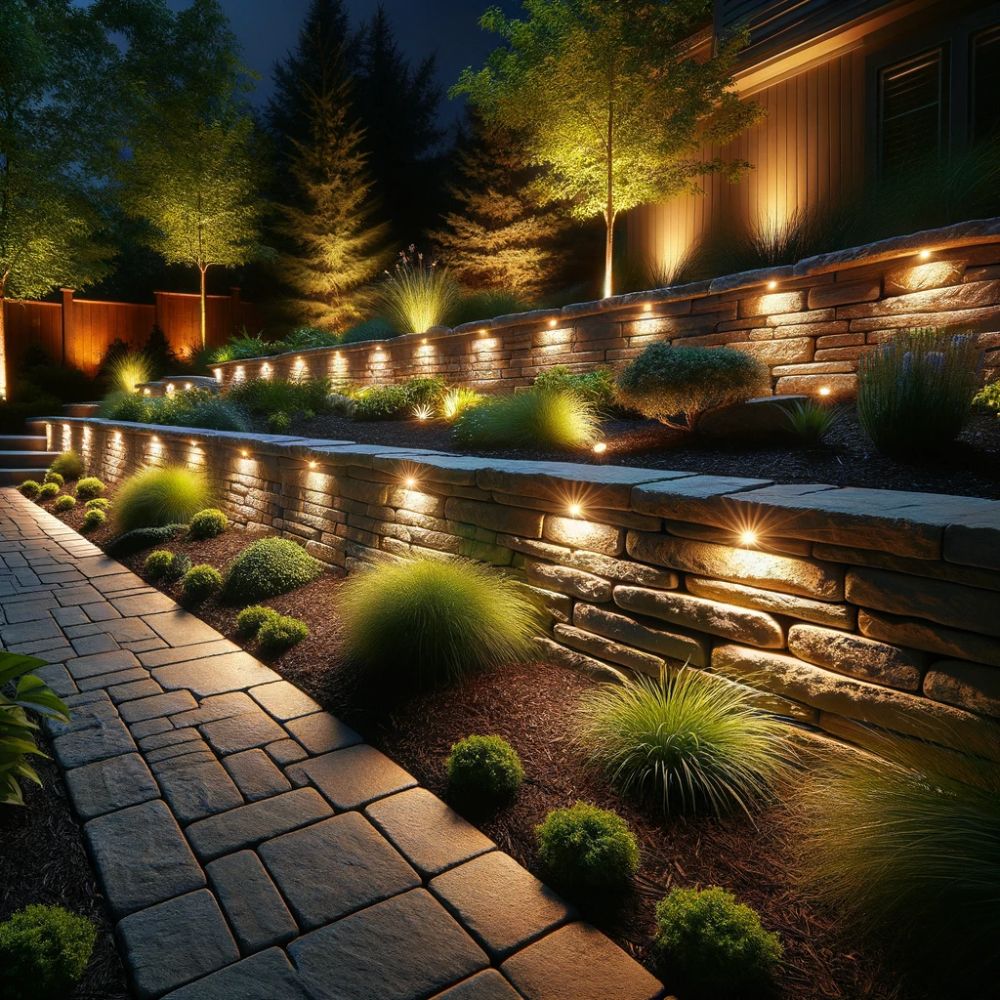
In addition to safety, landscape Lighting plays a substantial role in showcasing the elegance of a home. Attentively placed lights can emphasize architectural attributes, vegetation, and water elements, creating an exciting ambiance after dusk. Various Lighting methods, such as uplighting and downlighting, can change an ordinary outdoor room into an enchanting sanctuary. Inevitably, comprehending the objective of landscape Lighting permits homeowners to create a harmonious equilibrium in between security and looks, boosting both the performance and aesthetic appeal of their outside environments.
Select the Right Fixtures
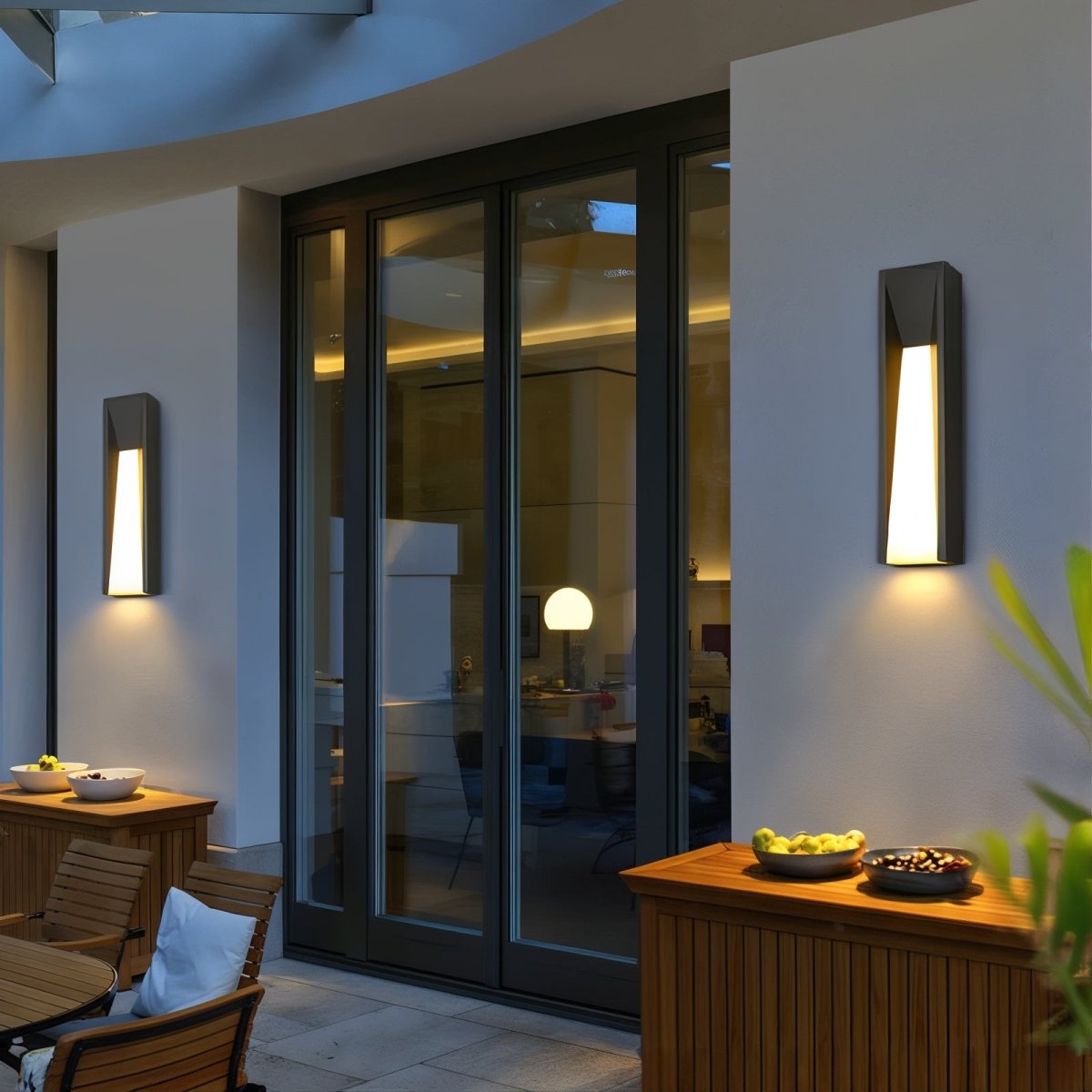
Choosing the suitable components is essential for attaining both functionality and visual allure in landscape Lighting layout. The choice of fixtures ought to align with the details needs of the space, thinking about aspects such as design, durability, and brightness. Various kinds of fixtures, including path lights, spotlights, and wall surface sconces, offer different functions, from lighting pathways to highlighting architectural functions.
Materials also play a crucial function; choices like copper and stainless steel offer longevity and resistance to weather, guaranteeing the fixtures continue to be aesthetically appealing gradually. Furthermore, the use of energy-efficient LED lights can improve efficiency while decreasing power expenses.
Eventually, selecting the appropriate components includes balancing aesthetic effect with useful considerations, therefore producing an unified atmosphere that improves the building's general beauty and safety and security - architectural lighting. This thoughtful method prepares for a successful landscape Lighting style that meets both visual and practical goals
Strategy Your Lighting Design
A well-balanced Lighting format can dramatically enhance the performance and appeal of outdoor rooms. To develop a reliable style, it is vital to assess the building's unique functions and comprehend exactly how they can be highlighted via Lighting. House owners should start by mapping out a diagram of the landscape, marking key areas such as patio areas, gardens, and pathways. This graph helps in organizing the format and ensuring appropriate coverage.
Next off, they must take into consideration the purpose of each Lighting fixture, whether it is for safety, ambiance, or appearances. Incorporating various kinds of Lighting, such as course lights, limelights, and wall sconces, can produce a cohesive look while offering details functions. Planning the placement of components is vital; they must be placed to avoid glow and create an inviting ambience. Finally, checking the format prior to installation enables changes, ensuring the outcome is both practical and aesthetically enticing.
Emphasis on Key Features
Highlighting essential functions in the landscape can transform an outdoor area right into a captivating environment. Strategic Lighting can draw attention to specific aspects such as trees, sculptures, or building details of a home, creating a prime focus that boosts the overall visual. By making use of numerous kinds of fixtures-- such as limelights, uplights, or course lights-- designers can effectively display these functions while adding depth and measurement to the environments.
Along with improving appeal, highlighting vital functions likewise increases safety and presence, specifically in sidewalks and entry factors. residential landscape lighting. This technique not just enhances the landscape however also welcomes visitors to explore the residential property even more. It is important to choose the right strength and shade temperature level of light, ensuring that the attributes are lit up without overwhelming the detects. By thoughtfully intending which aspects to highlight, landscape Lighting can create an unified balance in between performance and imaginative expression
Think about the Angle of Light
Recognizing the angle of light is vital in landscape Lighting layout. The angle at which light is cast can substantially influence the assumption of a space. By illuminating features from different angles, designers can develop deepness and texture, improving the general aesthetic. A reduced angle may emphasize the height of trees or building aspects, casting long darkness that add dramatization. Conversely, a high angle can give uniform illumination, decreasing extreme contrasts and fostering a softer setting.
The angle of light effects presence and safety. Badly tilted lights can develop glare or rare important courses and barriers. It is crucial, therefore, to copyrightine each location's one-of-a-kind characteristics, consisting of the placement of components and the surrounding environment. Proper factor to consider of light angles not just highlights focal factors however likewise makes sure performance and security, enabling property owners to enjoy their outdoor areas both night and day.
Use Layers of Lighting
Incorporating numerous layers of Lighting can dramatically boost the total result of a landscape layout. By integrating ambient, task, and accent Lighting, building proprietors can create a vibrant and welcoming environment. Ambient Lighting offers general illumination, ensuring safety and exposure across the whole space. Task Lighting concentrates on specific locations, such as pathways or seats, enabling useful usage after dark. Accent Lighting highlights building features, trees, or garden components, including deepness and passion to the landscape.
Select Energy-Efficient Solutions
In landscape Lighting design, selecting energy-efficient options can significantly decrease electricity expenses and environmental influence. LED Lighting offers lasting performance and reduced power intake contrasted to conventional bulbs. In addition, solar-powered options offer a lasting choice, harnessing natural energy to light up outside spaces successfully.
LED Lighting Advantages
As house owners significantly prioritize sustainability, LED Lighting becomes a leading option for landscape Lighting style due to its power performance and long life expectancy. Contrasted to typical incandescent light bulbs, LEDs take in approximately 80% much less energy, substantially reducing electrical energy costs. Their durability includes in their allure; with life-spans balancing 25,000 hours or even more, they require less frequent replacements, further lessening waste. LEDs likewise helpful resources produce much less warm, reducing the risk of burns and fire dangers in outside settings. Additionally, they are offered in a range of shades and brightness degrees, offering flexibility in layout. This convenience enables home owners to develop personalized lighting systems that boost the beauty and safety of their landscapes, making LED lighting a clever investment for modern-day outside spaces.
Solar-Powered Options
While property owners seek lasting services for see post their outdoor rooms, solar-powered landscape Lighting sticks out as an energy-efficient choice. These systems harness sunshine throughout the day, converting it right into energy for nighttime lighting, thus reducing electricity prices. Solar lights are easy to mount, requiring no wiring or electric work, making them a perfect option for DIY fanatics. Readily available in various styles, they can improve the visual allure of outdoor patios, yards, and pathways. In addition, advancements in solar modern technology have boosted brightness and long life, guaranteeing reputable efficiency. Correct placement is important; placing lights in locations with enough sunshine direct exposure optimizes their efficiency. On the whole, solar-powered choices use an eco-friendly Lighting option that complements modern landscape design designs.
Maintain Your Landscape Lighting
Routine upkeep of landscape Lighting is crucial for ensuring both functionality and aesthetic charm. House owners must routinely check fixtures for debris, dirt, and corrosion, as these can diminish light result and performance. Cleaning lenses and changing burnt-out light bulbs without delay can boost lighting and lengthen the life-span of the system. In addition, inspecting circuitry and links is critical to stop electrical problems that might arise over time.
Seasonal adjustments, such as repositioning fixtures or changing timers, can enhance Lighting results throughout the year. Trimming bordering vegetation assists keep clear sightlines, making certain that light reaches planned areas.
Lastly, when using solar-powered options, it is crucial to keep an eye on battery performance and photovoltaic panel positioning to guarantee maximum exposure to sunlight. Normal maintenance not only protects the Lighting system's functionality yet likewise enhances the general charm of the landscape, creating an inviting ambience for citizens and guests alike.
Often Asked Inquiries
What Are the very best Kinds Of Light Bulbs for Landscape Lighting?
LED bulbs are usually considered the very best choice for landscape Lighting as a result of their energy efficiency, long life, and low warm exhaust. Furthermore, they supply a series of color temperature levels to improve outside visual appeals effectively.
How Can I Make Certain Security With My Landscape Lighting?
To guarantee safety with landscape Lighting, one must use weather-resistant fixtures, secure electrical wiring to avoid tripping risks, use low-voltage systems, and strategically placement lights to illuminate courses while decreasing glow and dark places.
What Is the Average Price of Installing Landscape Lighting?
How Commonly Should I Change My Landscape Lighting Fixtures?
Landscape Lighting components should check here generally be replaced every 5 to ten years, depending upon elements like material high quality, exposure to aspects, and usage. Routine maintenance can extend their life-span, ensuring optimal efficiency and aesthetic appeals.
Can I Set Up Landscape Lighting Myself, or Should I Employ a Specialist?
People can set up landscape Lighting themselves, supplied they possess basic electrical knowledge and abilities. However, working with an expert ensures safety and security, adherence to regional codes, and optimal layout, inevitably improving the residential or commercial property's visual allure and capability.
Reliable landscape Lighting design plays a critical function in enhancing a residential property's visual and safety. Landscape Lighting serves a double purpose: improving safety and boosting aesthetic appeal. Comprehending the angle of light is essential in landscape Lighting style. Including multiple layers of Lighting can dramatically improve the total result of a landscape layout. As homeowners increasingly prioritize sustainability, LED Lighting emerges as a top choice for landscape Lighting layout due to its energy performance and lengthy lifespan.